
UNBREAKING THE NEWS

Earwax Test Developed in Brazil Can Detect Cancer Early, Study Shows

A study conducted by the Federal University of Goiás (UFG), a Brazilian public institution, shows that earwax-based tests can help indicate the presence of cancer in patients. The initiative, named Cerumenogram, received an honorable mention at the 2025 Capes Award.

The main advantage of the research lies in its ability to diagnose cancer early through a non-invasive, low-cost, and highly accurate approach.

“For oncology, we hope this helps improve people’s quality of life by preventing them from even developing cancer. It’s a simple, inexpensive, practical, and painless method,” said the study’s coordinator, Nelson Antoniosi Filho.

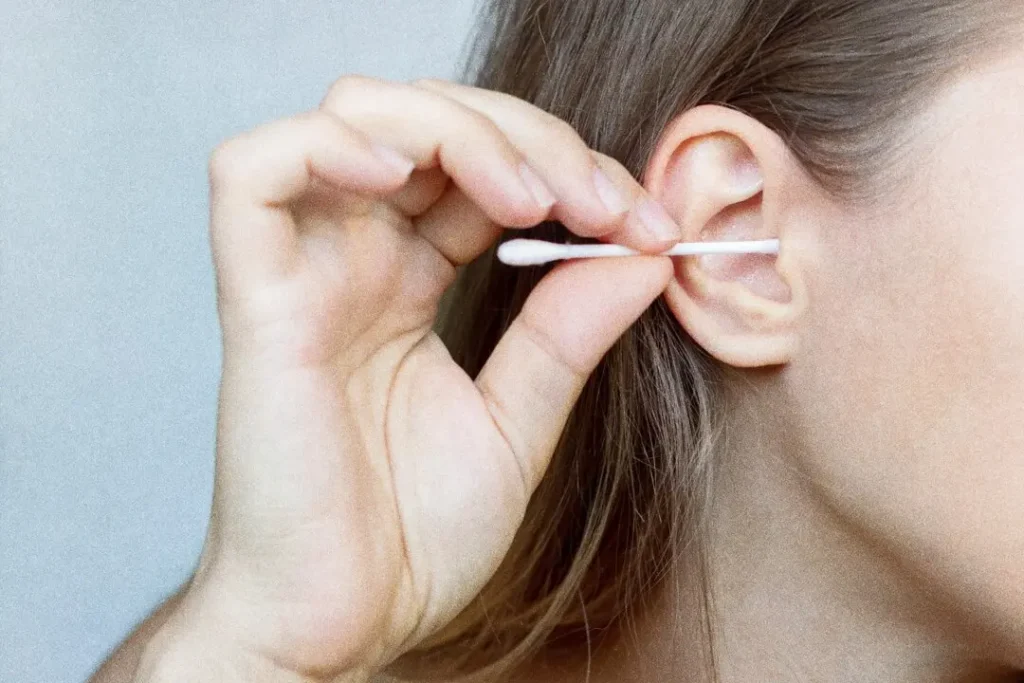
For these researchers, the earwax that accumulates in the ear canal holds enormous value. When removed and analyzed in the lab, it allows for the identification of changes in a person’s health.

“If our body is healthy, the chemical composition of earwax looks one way. If something is off, possibly indicating disease, that composition changes. So today, earwax is like a fingerprint of our health condition,” Antoniosi explained in an interview with Jornal Nacional.

The research began with diagnosing diabetes and detecting drug and pesticide intoxication through earwax analysis. The method was later adapted for veterinary medicine, allowing the identification of intoxications and even cancer in dogs.

The project has been ongoing for ten years in partnership with Amaral Carvalho Hospital, in Jaú (São Paulo), a cancer treatment center. Over time, results proved promising, and the test began detecting cancer in humans.

In 2025, a new discovery further excited the scientists: earwax experiments can identify pre-cancerous stages, enabling earlier and less painful treatment for patients. This breakthrough reinforces the importance of early diagnosis: the earlier cancer is identified, the greater the chances of a cure.

During testing, samples from 751 volunteers were analyzed, with 531 already undergoing cancer treatment. Among these, the test returned positive results for the disease. Of the 220 without prior diagnosis, only five showed atypical substances; all five were later confirmed to have cancer through conventional exams.

In an interview with Yuvoice, Nelson Antoniosi Filho explained that there is still no timeline for the test to become available for free in Brazil’s public healthcare system (SUS) due to regulatory processes. Therefore, it is expected to first reach private healthcare providers and public educational institutions.

“I want every public teaching and research institution in Brazil to offer this service to their communities. That’s how it should start, and then it can expand to the public healthcare system,” he said.

Nelson also emphasized the importance of public universities in achieving this milestone. He noted that funding and support from Brazil’s public education system are essential for revolutionary research, as such backing is rarely seen in private institutions.

“If it were a private university, I would never have approval for a project involving earwax. Do you think any private university would fund earwax research? At best, I’d lose my job for being insane!” he joked.

Currently, Antoniosi and his team are exploring the potential to detect neurological diseases such as Alzheimer’s and Parkinson’s through earwax analysis.

“We’re studying neurodegenerative conditions, like Alzheimer’s, Parkinson’s, and other dementias, which are also metabolic processes, to see if diagnosis is possible,” he told Yuvoice. “These studies aren’t finished yet, but we expect to conclude them within a year.”

This study highlights the strength of Brazilian science, especially research developed in public institutions, in driving scientific innovation. With new studies underway, the Cerumenogram project stands out as one of the most promising scientific initiatives in the country.

READ MORE

Comments

Be the first to share your thoughts!

We value diverse perspectives and respectful debate.