
I was a first-year medical student when a stage 3 cancer patient gave me insight into the patient perspective. She described the heartless demeanor of the oncologist who first informed her she had cancer.
As she started crying, his response was: “I’m sorry, have I upset you?”
Clueless. Many people have the preconceived notion that the key to being a good physician is book smarts and experience, overshadowing the value of nurturing a trusting doctor-patient relationship. However, over the past decades, there have been countless studies indicating that the emotional connection is a key aspect of caring for a patient. Fostering this connection not only cultivates trust, it also leads more patients to staying with their treatment.
Now, modern medical schools have emphasized the importance of empathy and understanding, but is that enough?
Some feelings can be taught
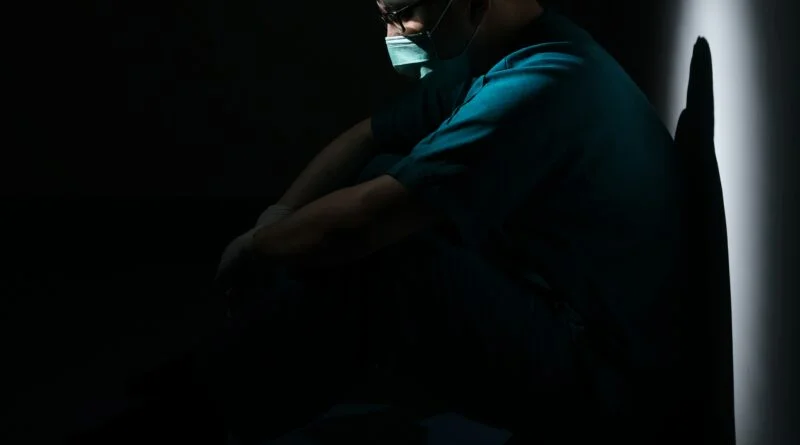
Before medical school, I thought empathy and compassion were innate skills that could not be taught. However, years as a medical student proved otherwise; most if not all of my peers are trained to nurture empathy and humanity. That seems to indicate that the cancer patient’s Sorry oncologist started out with a sense of empathy and humanity, which unfortunately diminished throughout his career. This realization left a deep question: why do physicians experience a waning sense of empathy over the course of their working lives?
While my first instinct was to blame this doctor, at some point I realized that as a physician, one is generally more exposed to death. Over the years, he might have eventually become so accustomed to death that he lost his sense of empathy — patience with the patient.


Comments
Be the first to share your thoughts!
We value diverse perspectives and respectful debate.