Trigger Warning:Mention of self-harm, mention of eating disorder, mention of alcohol and drug use
I have OCD (obsessive-compulsive disorder), ED (eating disorder), depression, severe anxiety, and ADHD (attention deficit/hyperactivity disorder). I’ve always gone to therapy because my mother is a psychologist.
I can’t even remember my age when I started, but I had more than five psychologists. I established a rapport with none until my first visit to a psychiatrist, when my undeniable mental health was crumbling. My psychiatrist never gave me a proper answer, but she was, and still is, the only therapist who I felt did not give up on me. Many others diagnosed me with borderline personality disorder.
Since I was young, I was always labelled as the “bad,” “problematic,” “rebellious,” and “naughty” kid, from kindergarten to adulthood. People often didn’t even remember my name, but they recognised that out of 14 cousins, I was the troublesome one.
So I started to believe that, too, and my behaviour didn’t change; in fact, it worsened throughout my development stages.
The beginning pangs
And as a teen, I began to self-harm. Eventually, my body felt numb, with no sadness, no fears of being misunderstood or good, pretty, and skinny. After that, my high school suggested my parents take me to a psychiatrist.
Hello, psychiatric medication. I still take them, though I still haven’t been properly diagnosed.
I can’t remember what happened during my first depression episode; I only have blurry memories of the fourteen days I was sent to a psychiatric ward and how I didn’t leave my room the whole time I stayed there.
Subscribe to The Superhero Brief!
Free access to the CEO's newsletter.
The views expressed in this newsletter are those of the CEO and do not necessarily reflect the views of the organization.
After that, my depression began to fade, though I was never the same again. Alcohol, drugs, kisses with older men, and so on were part of my adolescence. My grades were awful, and it took me almost nine years to finish high school.
Of course, I felt like no one cared. I was already the disappointment of my family and always had been, so they just didn’t even try to understand me, not when I was a toddler, when I was a teenager, or even now.
When I decided to apply to college, the OCD set in. Perfect became my goal in every aspect of my life. All my focus was on my studies. My first panic attack happened during class hours; I remember running out of the class and collapsing in the hallway,
In my second year, my goal was to maintain my perfect grades and lose some weight. I’ve always been chubby, and after a few months, anorexia nervosa knocked on my door. I received her like someone I had been waiting for my whole meaningless life. Binge eating eventually appeared, and that was when my whole controlled, perfect life crumbled.
This is where I am now, fighting eating disorders, a second depressive episode, and more.
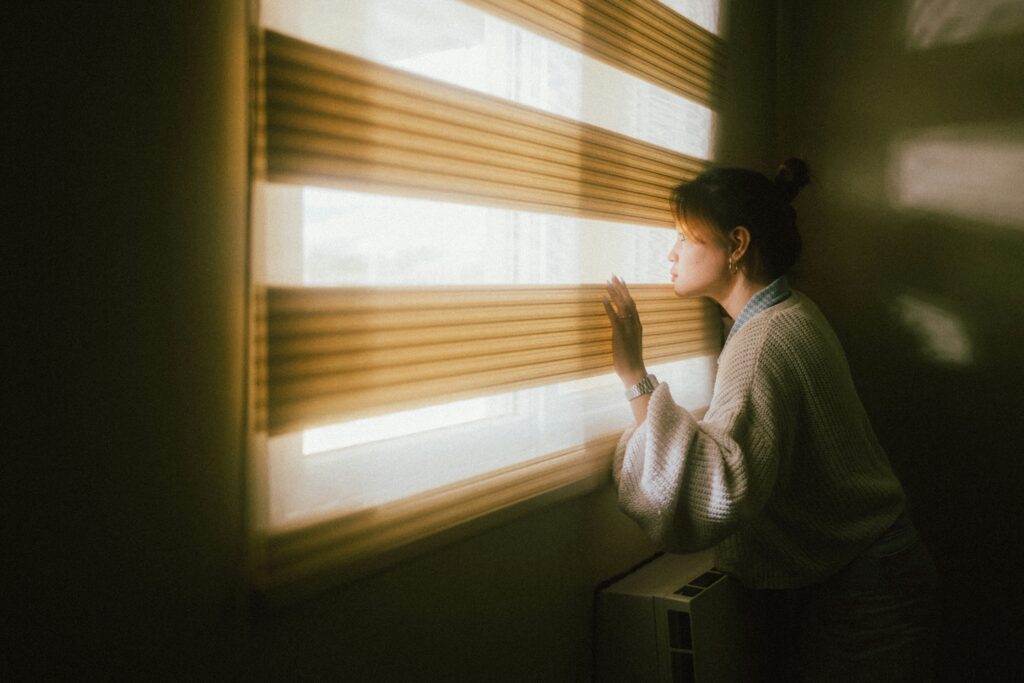
(Image courtesy of Mike Erskine on Unsplash)
The change in the tides
But now, as a clinical psychologist, I know how to fight. We don’t have to give in to the social belief that we are a problem that needs to be fixed, changed, or eradicated. Rather, we believe that people with mental health issues must be treated with compassion and provided with equal rights. Rather than focusing on the disability or disordered aspect of mental health, we focus on our strengths and learn how to rely on them.
My biggest strength is helping others; doing so makes me feel worth it and empowered, despite and because of my experience, even as hurtful as they are, gave me tools to lift others from their own struggles and dark places. I see a little hope in those little steps of others on their path to wellness.
As we grow older, we start learning and differentiating one emotion from the other, and at the same time, our range of emotions gets bigger. Defiant behaviour sometimes is a sign of depression and/or frustration because you haven’t yet developed the emotional tools to make others understand what you are really feeling. My adolescence was marked by naughty, unruly behaviour that I had been carrying since childhood, which became dangerous and painful to me. I did not have the tools to understand what I was feeling. Past trauma had left its marks on me. Adulthood marked the desire to maintain control of my life, appetite, and surroundings instead of letting my emotions have control of me again. And yet, many times, I failed.
My work changes lives
My role as a psychologist focuses on getting mental health the proper awareness it deserves. We need to raise awareness for this marginalised, stigmatised, labelled and misunderstood community regarding mental health and the lack of opportunities that low socioeconomic status communities have in accessing education and healthcare.
Today, I work in a private organisation as a clinical psychologist, both with group therapy between employees and employers and individual follow-ups. This year, I received the incredible opportunity to start working with the jail population by making new programs that focus more on rehabilitation rather than punishment alone. DINALI is a subsection inside the Ministry of Defence in charge of the Uruguayan policies related to imprisoned people. My main area will be helping people close to finishing their sentences. The main goals are reinsertion into society. I want to give them tools on how and where they can get help on having their basic needs satisfied (food, clothes, a roof above their heads), getting a job and start working on their social life to build a close circle that helps them find purpose in life and feel loved and appreciated.
Sometimes, I’m still a mess. Sometimes you might be, too. But as I’ve learned throughout every painful twist in my life, if you can’t help yourself, help others.
Uruguayan writer and social psychologist Valentina Bobre Sisiasvili graduated from Universidad Católica Del Uruguay with a minor in criminology. She has also developed her knowledge at the University of Leeds. Valentina has volunteered in mental health groups regarding schizophrenia in low socioeconomic status communities and critical state schools with young adults who have neurological problems and low IQ, now she is focusing her work on people who is close to getting out of jail, giving them tools when they are out, regarding basic needs and a dignified job.




Comments
Be the first to share your thoughts!
We value diverse perspectives and respectful debate.