The Timestamp That Changed the Way I Practice Journalism
By José Elias Mendes
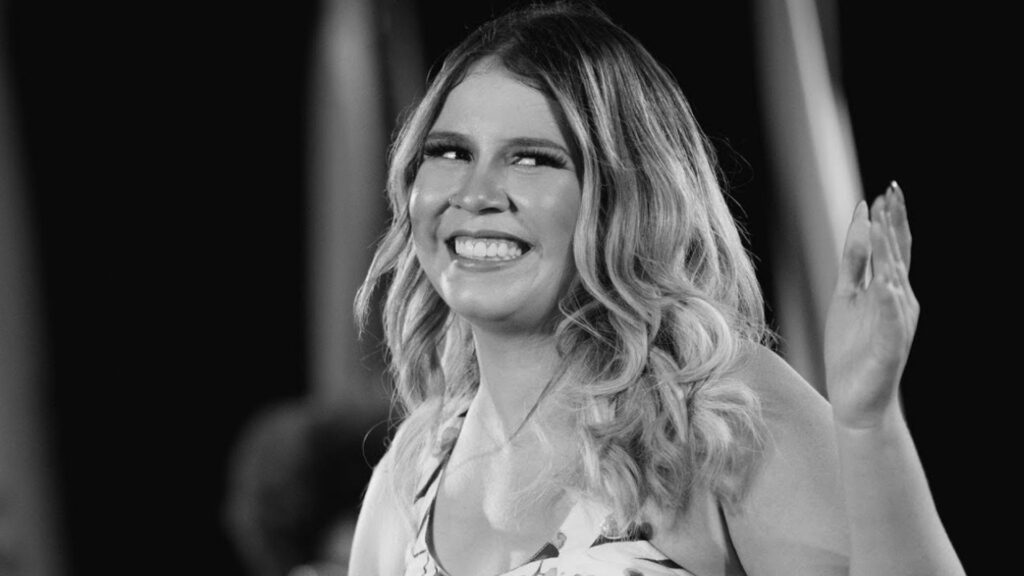
Screenshot from the official music video “Supera” by Marília Mendonça, via YouTube.
Trigger Warning:Mention of death
On November 5th, 2021, Brazil was gripped by breaking news.
A small aircraft had crashed in the countryside of Minas Gerais. On board was Marília Mendonça, one of the country’s most beloved singers — a young artist whose voice had become the soundtrack of heartbreak for millions. Within minutes, headlines multiplied, major outlets began reporting that she had survived, citing information from her press office. Relief spread quickly across social media and television broadcasts.
In the newsroom, I did what journalists are trained to do in moments of confusion: I went back to the primary source. The official note from the Fire Department included a precise timestamp for the crash. I read it once. I read it again. And something didn’t fit.
I compared it with the time the statement was released and considered the geography of the region. The reported time of the crash and the geography of the region made it nearly impossible for any official medical confirmation to have happened that quickly. There simply hadn’t been enough time.
The location was remote. Rescue operations would have required travel, on-site assessment, and official confirmation procedures.
It wasn’t a dramatic realization. It was quiet, mathematical.
The timeline did not add up. There simply had not been enough time for anyone to responsibly confirm survival. There was no way the information circulating could already be confirmed. Based on logistics, distance, and the sequence of events, the optimistic reports circulating at that moment were, at best, premature.
Subscribe to The Superhero Brief!
Free access to the CEO's newsletter.
The views expressed in this newsletter are those of the CEO and do not necessarily reflect the views of the organization.
I faced an uncomfortable dilemma. Like millions of Brazilians, I was not emotionally detached from the story. Marília’s music had been part of my daily life. I was also a fan. Her songs had played in my headphones, at parties, during long nights of writing. That day, I wasn’t just an editor. I was someone refreshing my phone like everyone else, hoping the earlier reports were true. I wanted the early reports to be true. But journalism is not guided by desire; it is guided by verification. Journalism has no space for hope.
And in that small gap between minutes, I understood something before anyone said it out loud. I didn’t feel triumphant. I felt cold.
If I was right, the country would move from relief to mourning.
Instead of repeating what other outlets were publishing, I chose to write a cautious article questioning the timeline and emphasizing the lack of confirmed information from emergency authorities. The piece did not speculate. It did not declare an outcome. It simply highlighted the inconsistencies between the official timestamps and the claims being disseminated. I knew I would be the only one swimming against the current, to push against this national hope. And still, uncomfortable as it was, I knew it was necessary.
Shortly afterward, the confirmation came: she had not survived.
The article became the most accessed in the history of our publication, surpassing 1.2 million unique views in less than three hours. It marked a significant growth moment for the site and consolidated our credibility in high-sensitivity coverage. In business terms, it was a turning point.
But my personal turning point had occurred earlier while examining that timestamp. That was the moment I understood, with unsettling clarity, what journalism really asks of you. It asks you to doubt relief. To slow down when the world accelerates. To risk being the cautious voice in a room eager for good news. And sometimes, it asks you to be right in ways you wish you weren’t.
Some believe professional maturity in journalism is about speed, sharp analysis, and competitive positioning. That afternoon clarified something more fundamental: responsibility often means resisting collective momentum. It also taught me that professional instinct and personal grief can coexist in the same body. I wrote through a lump in my throat. I updated headlines while processing my own sadness.
In breaking news environments, especially during emotionally charged events, the pressure to publish quickly can overshadow the discipline of verification. The easy choice would have been to replicate what larger outlets were reporting. The harder choice was to pause, analyze the data, and risk being temporarily out of sync with the national narrative.
Looking back, that was my Eureka moment. Not the confirmation itself, and not the record-breaking traffic, but the quiet realization that accuracy sometimes requires standing apart from the crowd — even when the crowd includes respected newsrooms.
That day permanently reshaped how I approach crisis coverage. Speed matters. Reach matters. But neither outweighs the ethical obligation to interrogate information, especially when hope is involved. Journalism is about being right for the right reasons — even when being right carries the weight of grief.
I have covered many stories since. None have carried that same quiet, irreversible click.
A timestamp. A calculation. A country holding its breath.
José Elias Mendes is the South America Journalism Director at Yuvoice and a Brazilian journalist with 12 years of experience in human rights, culture and community-centered storytelling.




Comments
Be the first to share your thoughts!
We value diverse perspectives and respectful debate.