However, the model remains of co-working spaces providing facilities such as free tea and coffee and social activities such as yoga or running clubs.
At one point, co-working seemed like it might have been a bubble. Lockdowns and work from home mandates during the COVID-19 pandemic dented the appeal of these short-term office tenancies. Co-working giant WeWork, for example, filed for Chapter 11 bankruptcy protection for its U.S. and Canadian businesses in November 2023. However, it came out of bankruptcy last year.
The global flexible office market is projected to triple from $45.24 billion in 2025 to $136.46 billion by 2032, according to Fortune Business Insights. And Britain is in the forefront of this trend. Co-working was available in 4,315 locations in the UK and Ireland in the third quarter of 2025, making the region “one of the most extensively networked markets in the world”, according to a report from co-working listing service Coworking Cafe.
It’s unusual for people to come into a co-working space every day, Kaiser said, reflecting continued demand from staff for flexible working. Around 1.1 million employees say they left a job in the last year due to a lack of flexible working, according to a report from UK human resources professional body CIPD. This is particularly the case for younger employees, the report said.
However, half of organisations which offer hybrid working have put incentives in place to encourage employees to be at their workplace more often, the CIPD report said.
“Every company has a different approach to mandated office work but the majority of companies want people in the office, for productivity, for the culture, to avoid loneliness,” Kaiser said.
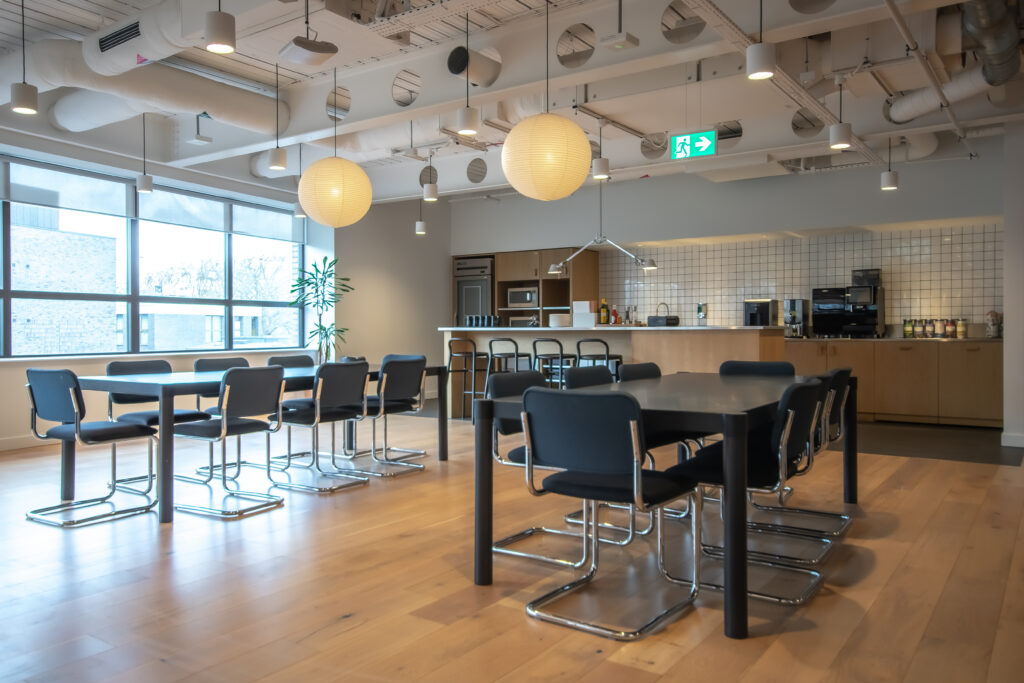
“To get people back to an office, you have to entice them. You need to create these environments that are vibrant and fun and offer experiences they can’t get anywhere else. You also need office wifi, good coffee, good connectivity – you have to get the basics right.”
Doron Meyassed, CEO of holiday home platform Plum Guide, said that his staff were excited to be at Shoreditch Exchange “because of the atmosphere, the welcoming team and the variety of events”.
Fleura Bardhi, professor of marketing at City St George’s, University of London, said demand for co-working reflected “how much consumption is embedded in work”.
“Your lifestyle is blended with work. For young generations, it’s very important to be in workplaces that fit their consumer identity,” she told The Sentinel, adding that some co-working spaces allow pets and storage, “it’s an extension of their living spaces”.
However, Kaiser said it was not just young people who use co-working space: “We have a variety of ages in our buildings, a variety of sectors, from tech to law firms to financial services.”
Two-year-old Oneder already operates four co-working spaces in London, with two more to open in 2026.
Bardhi said traditional offices should take lessons from co-working on how to attract employees, “it made work meaningful, so that’s why people stayed.” But Bardhi also said there was a risk in making your office more fun: “If everything is work, your hobby is work, there are no boundaries.”
Bardhi said that for some people, it gets to the point where they say “I’m burnt out of having fun. I don’t want to see anybody, I don’t want to play any more.”
But for Kaiser, fun is part of the appeal, as co-working offers a space “people want to come to, not have to go to”.


Comments
Be the first to share your thoughts!
We value diverse perspectives and respectful debate.