
HUMANITY

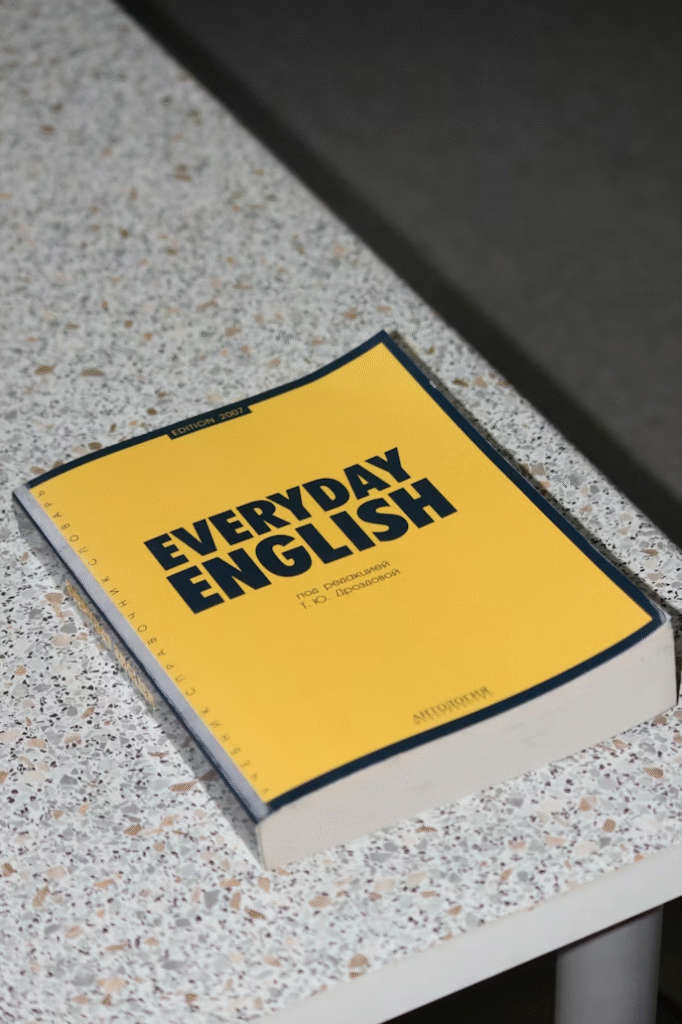
Because English!

The English language can be a fickle bastard. It does what it wants and is heavily unregulated. But that’s part of what makes it so interesting. 

During my time as an English major, I took a course studying the different aspects of the English language down to minute details such as morphemes, which is a piece of language that cannot be further broken down. I was even tasked with writing phonetically every week in general discussions. When it came to pronunciation and word origins and uses over time, my professor had a go-to answer to explain why we say things a certain way. His explanation was “Because English!”. It was my time during this course that inspired me to write about how we are actively shifting language today. Words like literally, iconic, and legend have become catch all’s for when we don’t really have much to say. 

So, allow me to take you on what might be the most iconic and legendary breakdown of modern slang you’ve ever read… literally.

Literally is literally an adverb for opinions now. Literally the funniest thing I’ve ever heard. Literally the best movie. Literally insane. Literally the best news I could get. Literally the worst billionaire ever (this last one might be true). I say literally to emphasize, and so does everyone now. I can’t remember the last time I heard someone use literally in a literal sense. The word has been successfully co-opted by society to not have one true meaning. Any meaningful meaning. And that’s okay in my literal opinion, because language in dialogue is supposed to be informal. Adverbs used in papers, books (not including dialogue), and emails can be seen as lazy, but in conversation and other informal areas of writing, they get a much-deserved pass. Imagine if we all spoke in APA and MLA format —  that’s not a world I would ever refer to as iconic.

A friend of mine just used iconic for a reel I sent over. And you know what, I don’t remember the reel. Which means it was literally not iconic. Everything is iconic nowadays. My friend had a hell of a round in a video game we were playing; it was iconic. I made it home a few minutes faster than my maps app said it would take; it was iconic. I wore an all-black suit and green steel-toed boots at my wedding; it was iconic (I literally believe this was iconic though). Like the word literally, we’ve adopted iconic into our everyday language when there are true icons out there. For instance, I don’t  watch basketball or golf and have zero interest in either sport, yet I know who Tiger Woods, Michael Jordan, and Larry Bird are. Those are icons. The first moon landing, the Olympics — these are iconic. Breaking the speed limit on my way home is not iconic, it’s stupid, and it’s stupid for me to think otherwise. Literally and iconic have taken their places in the lexicon to a point to where they’ve become, dare I say, legendary.

Legend, or ‘lejund’ as I like to spell it on occasion, has also been inflated in its use. My friends and I often call each other “LEGEND” when one of us makes a joke at the expense of another. I remember getting into working out and seeing literally everyone think they were being iconic by saying “you can’t spell legendary without leg day.” Absurd. It made me cringe when I first saw it on a t-shirt and it still makes me cringe. My ears shudder at the thought of the phrase. We even use legend as a word of praise. I solved the issue with the treadmill at work… legend. I drank twelve beers in one sitting at a friend’s house… legend. I thought to make a reservation ahead of time so we didn’t wait for a table… legend. There’s nothing legendary about any of that. I’m guilty of it, too.

A coworker brought in a box of artisan donuts, so I called them legend. They’re not a legend, they literally didn’t earn the iconic title of legend, but we say it anyway. Because English

Green & orange paper-mâché dragon that is literally an iconic legend — because literally
(Image courtesy of Chamomile via Morguefile)

Note: Paper-mâché or not, a dragon is literally an iconic legend — because literally. 

Editorial Acknowledgments

Thank you to Yosef Baskin and Michaela Brinker for their inspired edits on the piece.

READ MORE

Comments

Be the first to share your thoughts!

We value diverse perspectives and respectful debate.