I’ve always been a collector of chaos. Throughout my life, I tried to look decent and proper, yet I often found myself in a mess, unable to pinpoint how I got there. My apartment was a testament to all that. Stacks of books on the shelf and others scattered on the couch in the living room, not to mention clothes spilling from the wardrobe, showed how carelessly I handled my belongings.
Got milk? Got soap?
It wasn’t hoarding, exactly. It was all just life, piling up. Cluttered home, uncluttered mind. One time, a friend visited and was shocked by how many unnecessary things I owned. All these books and clothes and shoes, even as I lacked some things he considered essential, like hand soap in the sink or milk in the fridge. I saw his point, and, as life piled ever higher, I decided enough was enough. As much as I treasured my belongings, I was becoming overwhelmed.I needed order, joy, and change. That’s when I dove into the world of Marie Kondo, the Japanese organizing consultant, author, and TV personality.
I added her bestselling book, The Life-Changing Magic of Tidying Up: The Japanese Art of Decluttering and Organizing, to my already absurdly overflowing collection. But this book struck a chord. Kondo’s philosophy deconstructed everything I thought I knew: keep only what sparks joy. Well, honestly, I’m that kind of person who gets attached to his belongings. But here, I’m reading from a tidying expert whose main advice is to get rid of the “unnecessary” stuff, the life piling up. It was really difficult to fully incorporate her ideas of tidying and rearranging my room, but if I wanted change, I had no option but to follow her instructions. After all, she convinced me that a messy room is a reflection of a messy mind, an idea that struck me with guilt.
Subscribe to The Superhero Brief!
Free access to the CEO's newsletter.
The views expressed in this newsletter are those of the CEO and do not necessarily reflect the views of the organization.
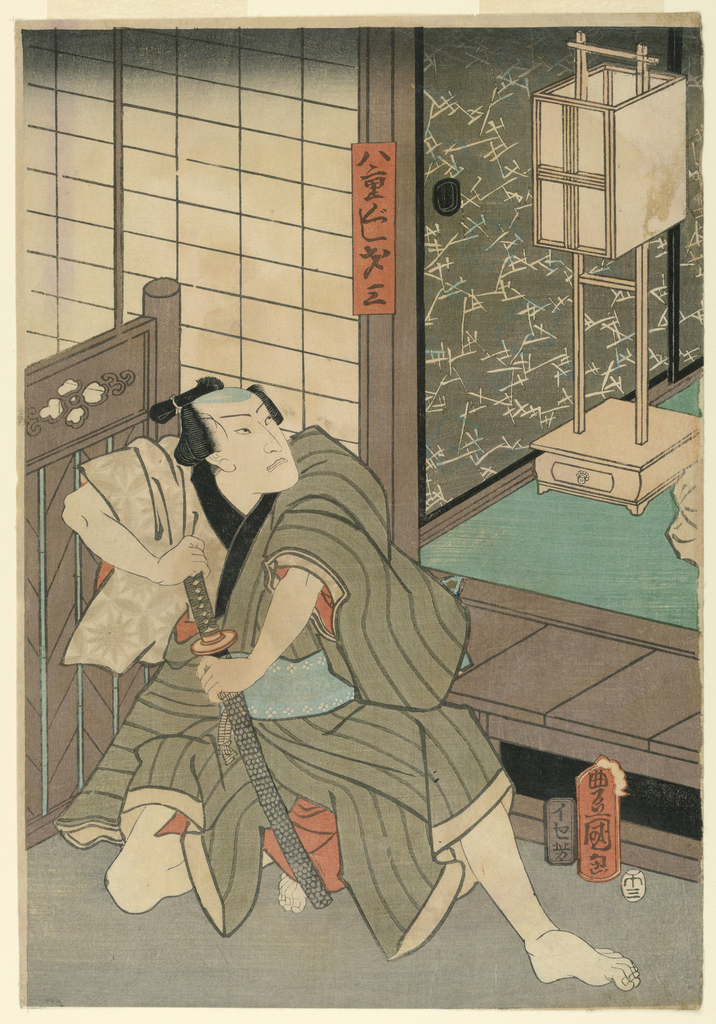
(Image courtesy of Cooper Hewitt Museum)
The cleaning
I envisioned my space transformed into a serene haven where every item was curated,, tastefully displayed, and dripping with meaning, like a museum exhibit. That weekend, I emptied my closets onto the living room floor. Clothes piled up like a mound of cotton. And as any good mountaineer will tell you, the most dangerous part of the climb is on the way down.
I held each piece, waiting for that elusive spark. Does my favorite designer hoodie bring me joy? What about the suit I wore on my first date with my girlfriend seven months ago? She’s now my ex-girlfriend. There is still a spot of mustard on the cuff. A faint flicker of yellow. Fear disguised as joy. Now mostly guilt. It needs to be cleaned. Instead, it went out. Goodbye bitter suit. Hello uncluttered joy. I applied this strategy to everything in my house. If it brought me happiness, I kept it.
Afterward, I had a huge pile of clothes, books, wallpapers, and even utensils, all ready for donation. I partly felt like I betrayed my stuff, for instance my very lucky sports shoes that I used to win races back in high school had to go. I shed a tear actually. Surely, if they were to talk, they would have convinced me to keep them. But the process felt cathartic, like shedding old skin. And when I finally let go? Magical.
That feeling of blissful emptiness
I folded my remaining clothes into neat rectangles, standing them upright in drawers like little soldiers, per Kondo. Socks were paired lovingly, with no more orphans. I thanked each book I discarded, whispering Kondo’s ritual of gratitude. It felt silly at first, but soon it became calming. My space felt lighter, and the sunlight streaming through the open windows brightened the room.
For a while, it worked. The good lighting created a happy atmosphere, and I stopped worrying about cleaning utensils, as I only used the necessary ones. There is no sink full of dishes where there are no dishes. My laundry basket was immaculate. It stood empty, complaining about a lack of dirty clothes. Living without was liberating at first. Less was more.
I saved money. Time. Mental energy. No more deciding what to wear. Everything matches when it’s all you got. My apartment felt spacious, blissfully empty, even. I filled the quiet hours with mindfulness podcasts, ginger root tea, and self-gratifying laughter at the genius of my new adaptation. I thought happiness lay in subtraction.
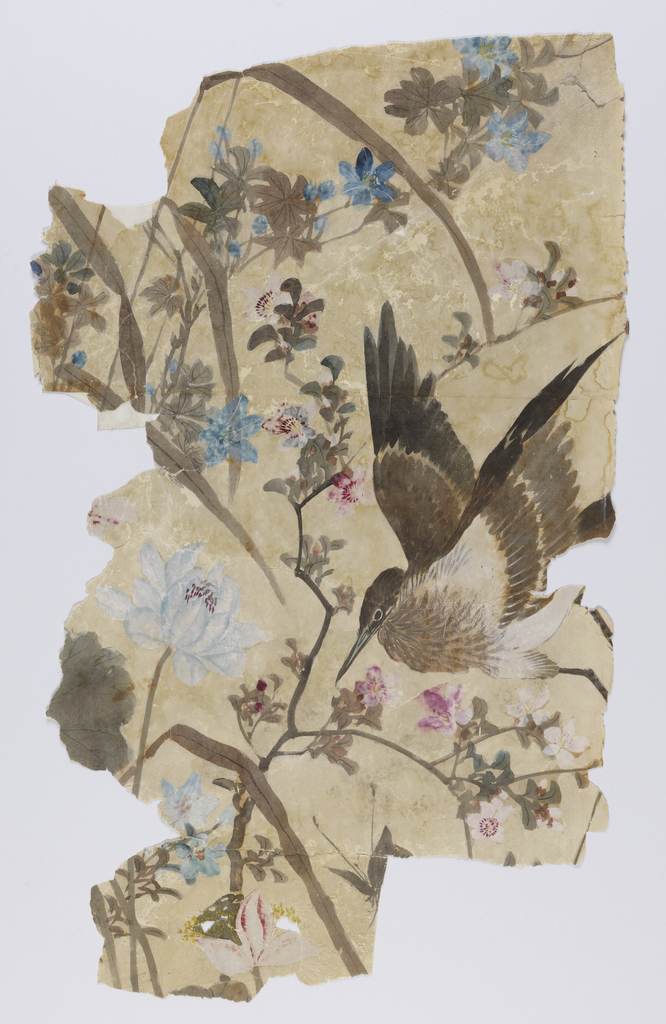
(Image courtesy of Cooper Hewitt Museum)
Perhaps
But empty rooms have a way of becoming echo chambers.
The joy sparked by my tidied items began to fade. Perhaps I had been wrong to think that getting rid of my stuff would make me happy. I realized those items had a purpose. While Kondo’s method felt right, it left my house feeling soulless. I missed the haphazardly arranged books, the overflowing laundry basket, and the sink filled with unwashed dishes. The walls seemed to stare back, blank and accusatory. Where were the photos of friends and the postcards from my travels?
Minimalism extracts a dear price. It takes away the clutter, but you also lose your soul. Your unique identity. An empty space is a cold universe. Damn that Marie Kondo. She took away a big part of me. I began to crave color, texture, and abundance. Life! So I decided to bring back wallpapers, velvet cushions, and different textiles.
Joy returned! But so did the feeling of being overwhelmed. Dusting became an all-day task; finding anything meant rearranging everything. The abundance that once thrilled now suffocated. I would alternate between elation and exhaustion.
One night, though, while watching documentaries under my blanket, I finally saw the light. Marie Kondo, minimalism, maximalism — they were just concepts imposed on my life like a weight. They sparked temporary joy but missed the essence: my home should reflect me, not a trend. I needed to find my own way, blending different elements into something genuine.
Lazy Sundays and stray socks
I started small, viewing my space with fresh eyes. I kept Kondo’s joy-sparking ritual but relaxed the strictness. Some of my greatest messes brought me the most joy, I discovered. I kept clothes unfolded and wrinkled in baskets — practical for my lazy Sundays. At the same time, Kondo’s minimalism taught me to appreciate negative space, so I cleared one wall entirely, allowing it to breathe like a blank canvas. Maximalism inspired me to create curated clusters: a bookshelf filled with beloved reads, surrounded by photographs and wallpapers that evoked real memories.
Friends noticed the change when they visited. “It’s so you!” one said. My apartment felt alive and loved, not overwhelming. Contentment settled in quietly. It wasn’t the jolt of joy from tidying or the thrill of new things. It was steady, like a heartbeat. I moved through my space without tripping, searching, or second-guessing. I found happiness in imperfection: a stray sock under the couch and a stack of unread magazines promised future delights.
Looking back, those concepts were stepping stones. Marie Kondo taught me to discern between minimalism and maximalism. True contentment comes from blending the two — creating a space that evolves with me. Today, as I sip tea by the window, watching leaves swirl outside, I feel it: This is my sanctuary. Messy in parts. Minimal in others. And fully me. In that, joy abounds.
Fredrick Odongo is a father, writer, tutorial fellow, and researcher. He writes on areas of biological and physical sciences, lifestyle, and psychology. He is currently exploring several nonfiction and fiction pieces on mental health.
Thank you to Jason Socrates Bardi and Sam Burton for their inspired edits on the piece.



Comments
Be the first to share your thoughts!
We value diverse perspectives and respectful debate.